Training days, professional development workshops, certification courses and public seminars all share one goal: helping people learn something they can use. The space you choose plays a bigger role in that goal than many organisers realise. Comfortable seating, good sightlines, reliable technology, quiet surroundings and well-timed food all help attendees stay focused from the first session to the last. If you are looking for a seminar venue in Calgary or a room for a training workshop, this guide explains how to design a productive learning day, choose the right room and layout, and plan the details that make sessions run smoothly.
Divya Samaroha Events Centre in Northeast Calgary hosts seminars and workshops for businesses, associations, educators and community organisations. The Business Centre Boardroom seats 10 to 20, Anaya A and B host 30 to 80, Amnaya A and B welcome 100 to 200 and the Lavanya hall accommodates 250 to 600, with classroom, theatre, U-shape and round table layouts available. In-house catering and a location near Calgary International Airport make it easy to host local teams and visiting trainers alike.
Seminar or Workshop: Know the Difference
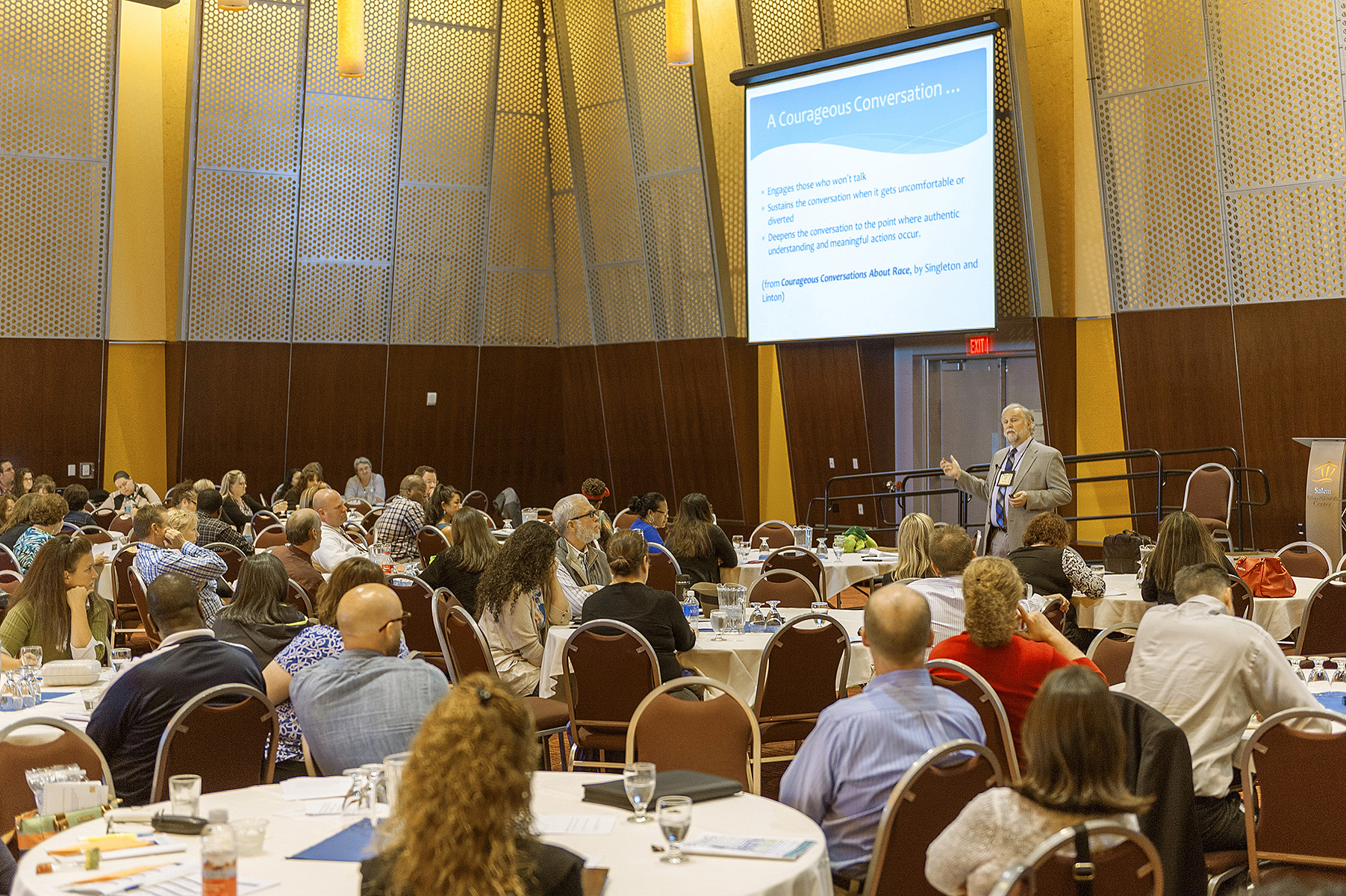
A seminar is usually presentation-led: an expert shares information with an audience, followed by questions. A workshop is hands-on: participants practise skills, work in groups and produce something during the session. Many training days combine both, with a morning seminar and afternoon workshop. Knowing which format you are running helps you choose the layout, the room size and the amount of table space and equipment you need.
Designing a Learning Day That Works
Adults learn best when sessions are varied, practical and well paced. Break the day into blocks of 60 to 90 minutes with short breaks in between. Mix presentations with discussion, case studies, group exercises and hands-on practice. Start with a clear agenda and learning objectives so attendees know what to expect, and end with a summary and next steps. Schedule the most demanding content in the morning, when energy is highest, and keep post-lunch sessions interactive to avoid the afternoon slump.
Choosing the Right Layout
Classroom
Rows of tables facing the front give each attendee room for a laptop, workbook and coffee. Classroom style suits technical training, certification courses and seminars where note-taking matters.
Round tables or cabaret
Small groups at round tables are ideal for workshops with group exercises. Cabaret style, which leaves the side facing the presenter open, keeps everyone’s view of the screen clear while supporting teamwork.
U-shape
A U-shape works beautifully for groups of 15 to 35, letting the facilitator move inside the U and engage each participant directly. It encourages discussion and is popular for leadership and soft-skills training.
Theatre
Rows of chairs maximise capacity for large public seminars, lectures or information sessions where attendees mainly listen.
Technology and Materials
Technology problems can derail a training day. Confirm the screen or projector, presentation connection, microphones for larger rooms, power outlets for attendee laptops and Wi-Fi access in advance. Arrive early to test slides, videos and any online tools. Prepare printed workbooks, handouts, name tents, pens, sticky notes and flip charts if your session involves group work. For hybrid training, arrange a camera and microphone so remote participants can see and hear clearly.
Food and Breaks That Support Learning
What attendees eat affects how well they concentrate. Offer coffee, tea and water on arrival, a light mid-morning snack, a balanced lunch that is not too heavy, and an afternoon refresher with fruit or a sweet treat. In-house catering spans Continental, Mediterranean, Indian, Pakistani, Afghani, Italian and other cuisines, so you can provide variety and accommodate vegetarian, gluten-free and other dietary needs. Short breaks every 60 to 90 minutes give attendees time to stretch, check messages and return refreshed.
Registration and Check-In
A smooth start sets the tone. Set up a registration table outside the training room with name badges, sign-in sheets, materials and Wi-Fi details. For certification courses, plan how you will verify attendance and distribute certificates. Clear signage from the parking area to the room helps first-time visitors arrive on time.
Accommodating Visiting Trainers and Attendees
Many training programmes bring in facilitators or participants from other cities. A venue near YYC simplifies travel, and rooms at the sister property, Divya Sutra Calgary Hotel, offer group rates for six or more rooms and free breakfast for direct bookings. Multi-day courses benefit from having attendees stay close by.
Keeping Energy High Through the Day
Even motivated learners lose focus by mid-afternoon. Build movement into the agenda with standing discussions, gallery walks where groups post ideas on the walls, or short energisers after lunch. Change the format every 20 to 30 minutes within a session, alternating between listening, discussing and doing. Natural light, comfortable room temperature and fresh air during breaks also help. Ending the day with a practical action plan, where each participant writes down what they will try first, turns information into results.
Seminar and Workshop Planning Checklist
- Define learning objectives and choose seminar, workshop or a mix.
- Estimate attendance and choose a room size and layout.
- Plan session blocks of 60 to 90 minutes with breaks.
- Confirm screens, microphones, Wi-Fi and power needs.
- Prepare workbooks, handouts and group-work supplies.
- Order refreshments and a balanced lunch, noting dietary needs.
- Set up registration and clear signage.
- Collect feedback and share follow-up materials afterwards.
Measuring Success
Gather feedback at the end of the day with a short survey on content, facilitation, venue and food. Ask what participants will apply at work. Share slides, resources and certificates promptly, and consider a follow-up session or online check-in to reinforce learning.
Where to Host a Seminar or Workshop in Calgary
Trainers and organisations searching for an event venue in Calgary with flexible learning layouts will find rooms for 10 to 600, in-house catering and easy access at Divya Samaroha Events Centre. It is also a dependable banquet hall in Calgary for conferences and corporate events.
For workshops of 30 to 80 participants, see the Anaya rooms.
Frequently Asked Questions
Which layout is best for a workshop?
Round tables or cabaret style support group work, while U-shape suits interactive sessions for smaller groups.
How long should training sessions be?
Blocks of 60 to 90 minutes with short breaks help attendees stay focused.
Can catering be provided for a full training day?
Yes. Refreshments, snacks and lunch can be arranged with in-house catering.
What room sizes are available?
The boardroom seats 10 to 20, Anaya 30 to 80, Amnaya 100 to 200 and Lavanya 250 to 600.
Final Thoughts
A well-planned seminar or workshop helps people learn, practise and leave inspired. Design a varied agenda, choose a layout that fits the format and look after attendees with good technology, food and breaks. Divya Samaroha Events Centre helps Calgary trainers and organisations host productive learning days.