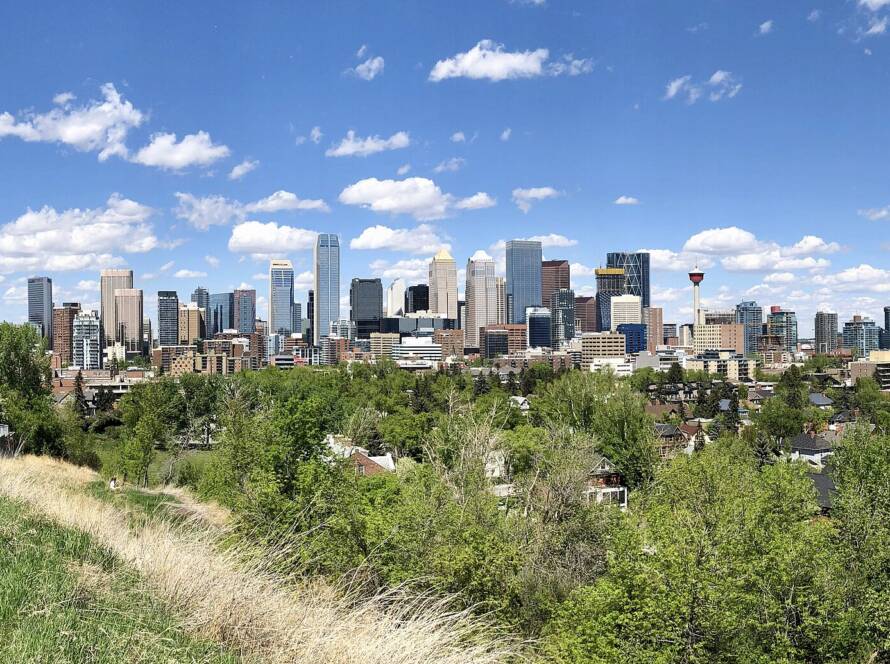
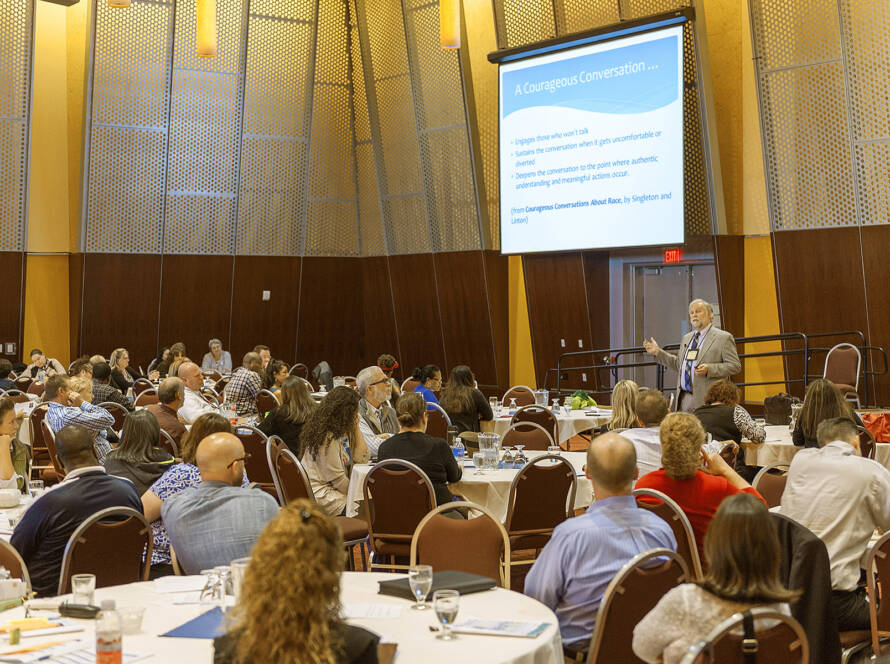
Calgary’s cultural communities keep traditions alive through music, dance, food, language and celebration. Community associations, cultural societies, student groups and faith organisations host hundreds of cultural nights every year, from heritage festivals and talent shows to independence day galas and folk dance showcases. Choosing the right cultural event venue in Calgary gives performers a proper stage, gives audiences comfortable seating and gives organisers the support they need to run a polished event. This guide explains how to plan a cultural night or community celebration, from the room and stage to programme, food and volunteers.
Divya Samaroha Events Centre in Northeast Calgary hosts cultural and community events for groups of every size. The Lavanya hall’s four combinable sections accommodate 250 to 600 guests with theatre or round table layouts, while Amnaya A and B host 100 to 200 for smaller showcases. In-house catering in Indian, Pakistani, Afghani, Nigerian, Ethiopian, Mediterranean, Continental and Italian cuisines means many communities can serve food that reflects their heritage, and DJ, décor and photo and video services help events look and sound their best.
Types of Cultural Events
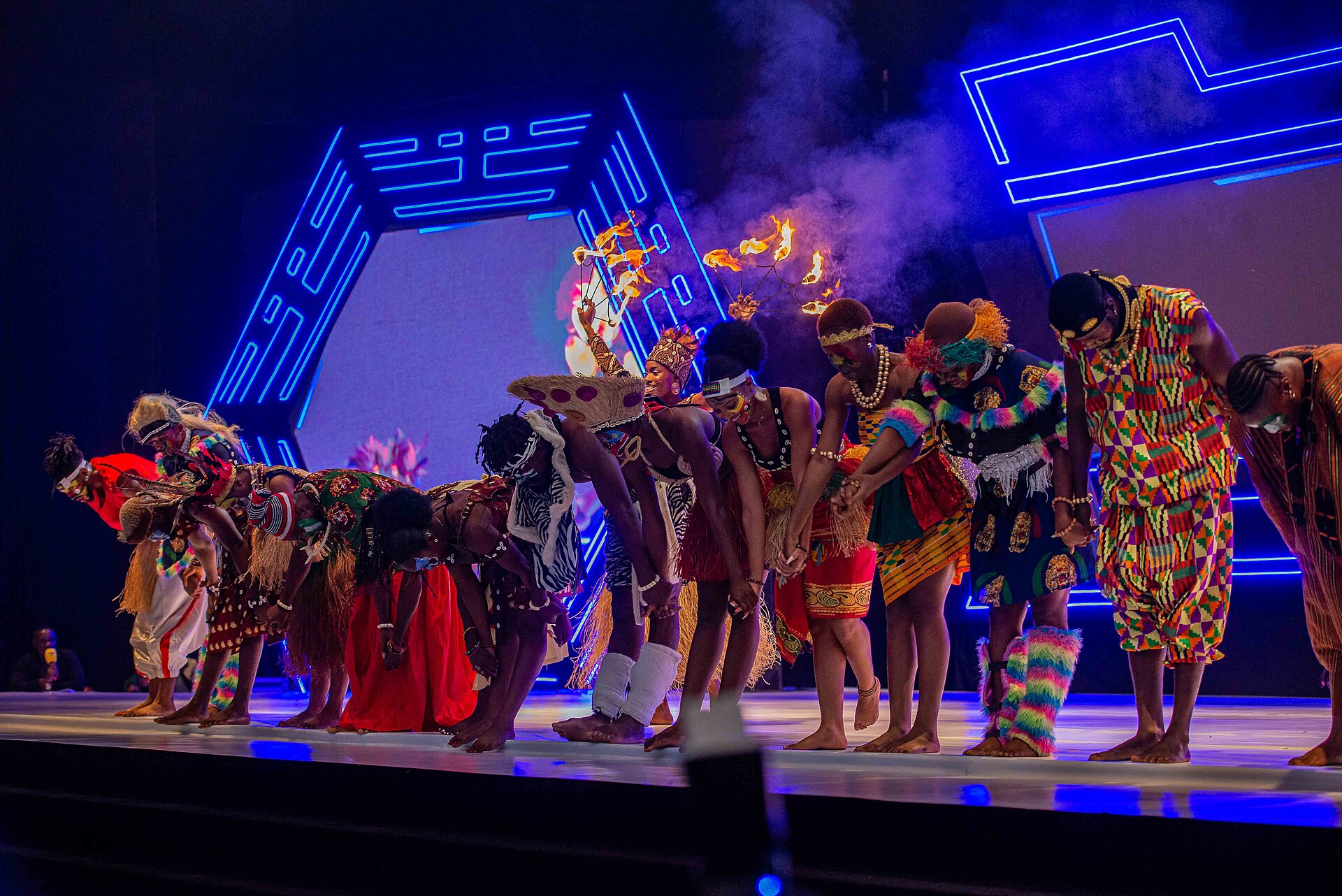
Cultural events take many forms. Heritage or independence day celebrations mark national holidays with speeches, anthems, performances and dinner. Festival nights celebrate occasions such as Diwali, Eid, Lunar New Year, Nowruz, Vaisakhi or Meskel. Talent shows and youth showcases give young people a stage for dance, music and spoken word. Folk dance and music concerts present traditional arts. Community banquets bring members together for an annual dinner and awards. Each type has different needs for stage space, seating and timing.
Choosing the Right Room and Layout
Start with expected attendance and whether the audience will dine. Theatre seating maximises capacity for performance-only shows. Round tables suit dinner and show events, where guests eat before or during performances. Large community gatherings of 300 to 600 fit the Lavanya hall, while smaller showcases of 100 to 200 suit Amnaya. Make sure every seat has a clear view of the stage, and leave aisles for performers and servers.
Stage, Sound and Lighting
Performers need a stage large enough for group dances, with a safe entrance and exit. Discuss stage size and placement with the venue team, and plan a backstage or holding area where performers can wait and change costumes. Good sound is essential: confirm microphones for emcees and singers, a reliable playback system for dance music and, if needed, inputs for live instruments. Stage lighting turns a community show into a memorable production. A DJ or sound technician who can run cues from a programme sheet keeps transitions smooth.
Building a Strong Programme
A well-paced programme keeps audiences engaged. Open with a welcome and, if appropriate, anthems, a land acknowledgement or a prayer. Mix performance styles, alternating group dances with solo songs, instrumental pieces and short speeches. Place crowd favourites near the end of each half to build energy. Keep speeches brief and schedule dinner or an intermission at a natural break. Share a detailed run sheet with performers, the emcee, the sound technician and the venue, and hold a technical rehearsal if possible.
Food That Celebrates Heritage
Food is one of the best ways to share culture. Serve a menu inspired by your community’s cuisine, and consider adding a few familiar options for guests from other backgrounds. In-house catering covers many cuisines, and the Mix and Match option helps multicultural associations offer variety. Buffets and food stations work well for large audiences. Plan timing so food service does not compete with performances, and label dishes for dietary needs.
Décor and Cultural Identity
Décor helps tell your community’s story. National or regional colours, flags, traditional textiles, handicrafts, artwork and photographs create a strong sense of place. A themed backdrop behind the stage looks great in photos and videos. Hall décor services can help create a polished look that respects cultural details.
Volunteers and Tickets
Most cultural events rely on volunteers. Assign clear roles: registration and ticketing, ushering, backstage coordination, performer check-in, food service liaison and clean-up of community materials. If you sell tickets, decide early on pricing, seating policies and how tickets will be checked at the door. A volunteer briefing before guests arrive helps everyone know their role.
Engaging Youth and the Next Generation
Cultural events are one of the best ways to pass traditions to children and teenagers born or raised in Canada. Give young people real roles: performing, emceeing in two languages, running the photo booth or helping with social media. Youth dance groups and music ensembles often draw their families and friends, boosting attendance. Short explanations of the meaning behind each dance, song or costume help younger guests and visitors from other communities connect with what they are seeing.
Welcoming the Wider Community
Many cultural associations invite neighbours, city officials, local businesses and other communities to their celebrations. A short welcome that explains the occasion, bilingual signage and a printed programme make first-time guests feel at home. Sharing your culture openly builds understanding across Calgary’s diverse communities and can attract sponsors and new members for future events.
Capturing and Sharing the Night
Photos and videos extend the life of a cultural event long after the last performance. Arrange photo and video coverage of every act, plus candid shots of the audience and volunteers. Sharing highlights on social media and in newsletters thanks performers and sponsors, and helps promote next year’s event.
Cultural Event Planning Checklist
- Define the event type, audience and expected attendance.
- Book a hall with suitable stage space and layout.
- Confirm sound, microphones, lighting and a backstage area.
- Build a balanced programme and share a run sheet.
- Choose a heritage-inspired menu and service style.
- Plan cultural décor and a photo backdrop.
- Recruit and brief volunteers; set up ticketing.
- Hold a technical rehearsal before the event.
Where to Host a Cultural Event in Calgary
Community groups looking for a welcoming event venue in Calgary for cultural nights will find large flexible halls, heritage menus and production support at Divya Samaroha Events Centre. It is a trusted banquet hall in Calgary for festivals, showcases and community banquets.
For large performances and community dinners, see the capacities and layouts of the Lavanya hall.
Frequently Asked Questions
What size hall suits a cultural night?
The Lavanya hall hosts 250 to 600 guests, and Amnaya hosts 100 to 200 for smaller showcases.
Can we serve food from our own culture?
In-house catering includes many cuisines, and Mix and Match lets you combine dishes. Discuss your menu with the events team.
Is there space for performers to prepare?
Discuss backstage and changing areas with the venue team when planning your layout.
Can the venue help with sound and décor?
Yes. DJ, hall décor and photo and video services are available.
Final Thoughts
Cultural events keep traditions vibrant and bring communities together. Choose a hall with a good stage, build a balanced programme and share your heritage through food and décor. Divya Samaroha Events Centre helps Calgary communities host cultural celebrations that make everyone proud.