Calgary is one of Canada’s most diverse cities, and its celebrations reflect that. More and more weddings and family events bring together people from different cultural backgrounds: a Punjabi groom and a Filipino bride, an Afghan family hosting Canadian colleagues, a Nigerian and Italian couple, or a South Asian family welcoming friends from every corner of the world. For these events, a single-cuisine menu may not tell the whole story. Mix and match catering in Calgary lets hosts combine dishes from different traditions into one menu, so every guest finds something familiar and everyone discovers something new. This guide explains how to build a multicultural menu that feels balanced, generous and meaningful.
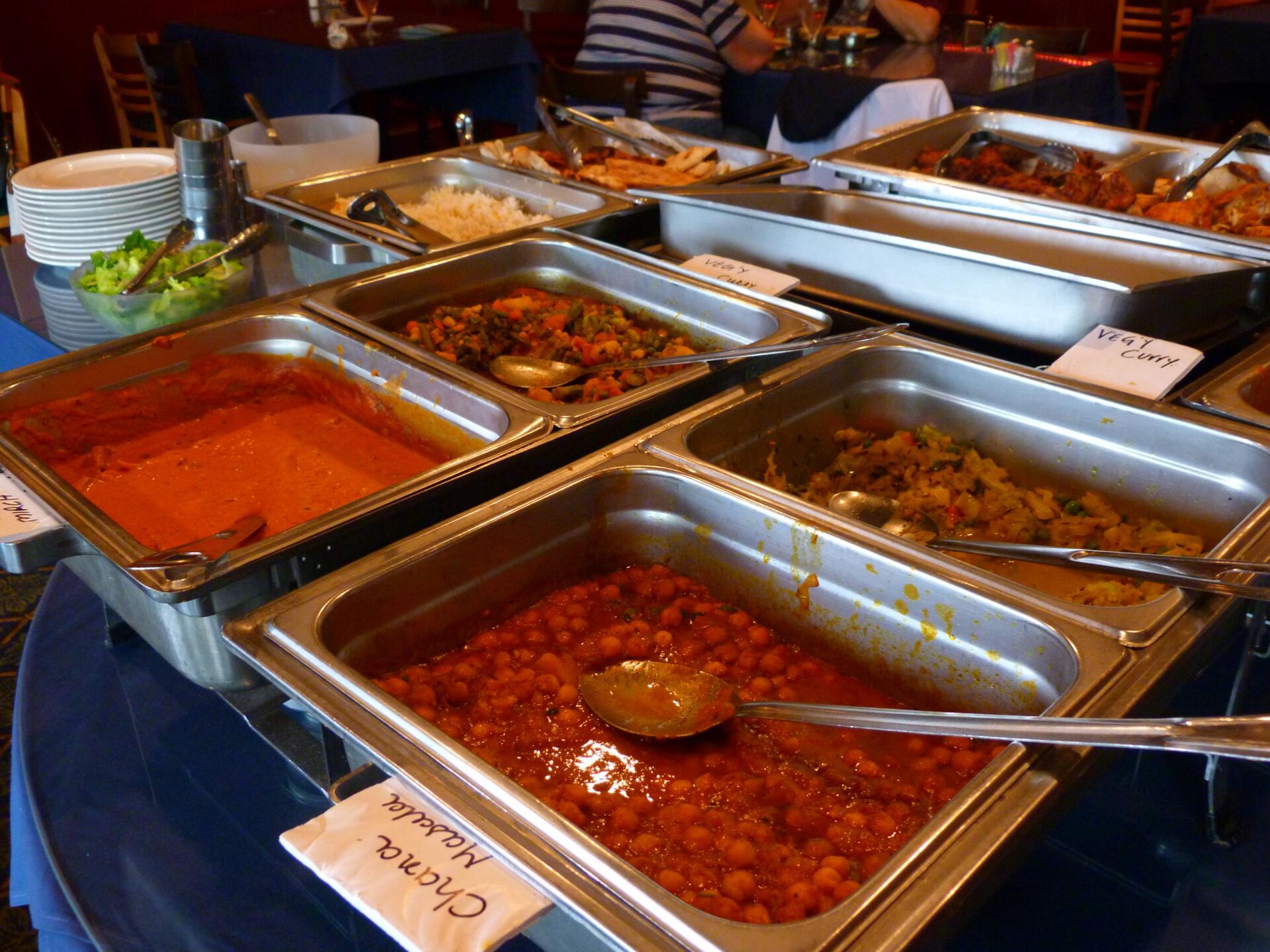
Divya Samaroha Events Centre offers a Mix and Match catering option alongside its Indian, Pakistani, Continental and Afghani menus, each available in Bronze, Silver, Gold and Platinum packages, and its Italian, Mediterranean, Nigerian and Ethiopian menus. That breadth, prepared by an in-house kitchen in Northeast Calgary, gives mixed families and diverse groups real flexibility to create a menu that honours everyone at the table.
Why Multicultural Menus Matter
Food is one of the most powerful ways to express identity and welcome. When two families come together through marriage, seeing their own dishes on the table helps each side feel recognised and respected. At corporate and community events, a multicultural menu signals that every guest is valued. It also creates conversation: guests try unfamiliar dishes, ask about their origins and connect over shared tastes. A thoughtful mixed menu can become one of the most talked-about parts of the celebration.
Who Benefits From Mix and Match Catering
Intercultural couples are the most obvious example, but they are far from the only ones. Families with members from several backgrounds, community associations hosting multicultural festivals, companies holding holiday parties for diverse teams, schools and universities hosting graduation dinners and charities organising galas all benefit from flexible menus. Even single-culture events sometimes want to add a familiar Continental or Italian option for children or guests with simpler tastes.
How to Build a Balanced Mixed Menu
The key to a successful multicultural menu is balance. Start by choosing a primary cuisine that reflects the main tradition of the event, then add signature dishes from other cuisines. For a South Asian and Western wedding, for example, you might serve an Indian main buffet with a Continental carving or pasta station. For a Nigerian and Afghan family, jollof rice and Kabuli palaw can sit side by side, with kebabs and suya bridging the two traditions.
Think in courses and stations
Organising the menu by course or station helps it feel intentional rather than random. Appetisers might combine samosas, mezze, bruschetta and puff-puff. Mains can be grouped by cuisine at separate buffet stations, each clearly labelled. Desserts can blend gulab jamun, tiramisu, baklava and firni. Stations also help guests navigate the variety and keep lines moving.
Respecting Dietary and Religious Needs
Mixed menus must take extra care with dietary requirements. Guests may be vegetarian, vegan, gluten-free or have allergies, and religious practices may require certain preparation standards or exclude particular ingredients. Collect dietary information with RSVPs, discuss requirements, including halal or vegetarian-only preparation where needed, directly with the events team and request written confirmation. Clear labels on every dish, noting key ingredients and allergens, help guests choose with confidence.
Balancing Spice and Flavour
Different cuisines bring different spice levels. Indian, Pakistani and Ethiopian dishes may be spicier than Continental or Italian ones. Offer a range of heat levels, provide cooling sides such as raita or salads, and consider milder versions of signature dishes for children and guests unused to spice. A tasting session helps you fine-tune the balance before the event.
Telling the Story Through Food
A multicultural menu is a chance to share the story of the couple, family or community. Small menu cards describing each dish and its origin, or a note from the couple about why certain foods were chosen, add meaning. Some families include a dish from each grandparent’s hometown or a dessert that represents both cultures. These details turn the menu into a celebration of heritage.
Examples of Mixed Menus That Work
Seeing a few combinations can spark ideas. A Punjabi and Italian wedding might pair butter chicken, dal makhani and naan with a pasta station and tiramisu. A Pakistani and Mediterranean celebration could combine biryani and seekh kebabs with hummus, tabbouleh and grilled vegetables, finishing with kheer and baklava. A Nigerian and Continental reception might feature jollof rice, fried plantain and suya alongside roast chicken, salads and a cake table. An Afghan and Ethiopian community dinner could serve Kabuli palaw and mantu next to injera with lentil and vegetable stews. In each case, the dishes complement rather than compete, and guests can build a plate that suits their tastes. Share combinations like these with the events team as a starting point, and refine them during your tasting.
Mix and Match Planning Timeline
- Six months out: decide on the primary cuisine and the cultures to represent.
- Five months out: shortlist signature dishes from each tradition.
- Four months out: review packages and request a tasting.
- Three months out: finalise the menu, stations and service style.
- Six weeks out: collect dietary requirements from guests.
- Three weeks out: confirm final numbers and menu labels.
- Event week: review the buffet layout and service timing with the catering lead.
Service Style for Mixed Menus
Buffets and food stations are usually the best fit for mixed menus because they let guests sample from several cuisines. Family-style platters can also work, with dishes from different traditions passed around each table. Plated service is possible but more limiting; if you choose it, consider offering a choice of mains from different cuisines. Discuss the best approach for your guest count and room with the catering team.
Where to Host Your Multicultural Celebration
Hosts looking for a banquet hall in Calgary with a kitchen that can cook across many cuisines will find real flexibility at Divya Samaroha Events Centre. With rooms for 30 to 600 guests, it is a welcoming wedding venue in Calgary for intercultural couples and diverse communities.
To explore cuisines and dishes, browse the banquet menu and ask the events team about Mix and Match options.
Frequently Asked Questions
What is Mix and Match catering?
It is a catering option that combines dishes from different cuisines into one menu for your event.
Which cuisines can be combined?
Options include Indian, Pakistani, Continental, Afghani, Italian, Mediterranean, Nigerian and Ethiopian cuisines.
Is a buffet best for a mixed menu?
Buffets and food stations usually work best because guests can sample several cuisines, though family-style service is also possible.
How do I manage dietary needs with a mixed menu?
Collect requirements with RSVPs, confirm preparation needs in writing with the events team and label every dish clearly.
Final Thoughts
A mixed menu celebrates the many cultures that make up modern families and communities. Choose a primary cuisine, add meaningful signature dishes, respect dietary needs and present the food with care. Divya Samaroha Events Centre helps Calgary hosts serve multicultural menus that bring everyone together around the table.