Trade shows, vendor markets and expos bring buyers and sellers together under one roof, and the venue you choose can make or break the experience for exhibitors and visitors alike. A good trade show venue in Calgary needs open floor space for booths, wide aisles for foot traffic, easy load-in for exhibitors, food for long days and a location people can reach without hassle. Whether you are organising a bridal fair, a cultural bazaar, a holiday market, an industry expo or a small-business showcase, this guide covers the essentials of planning a successful vendor show in Calgary.
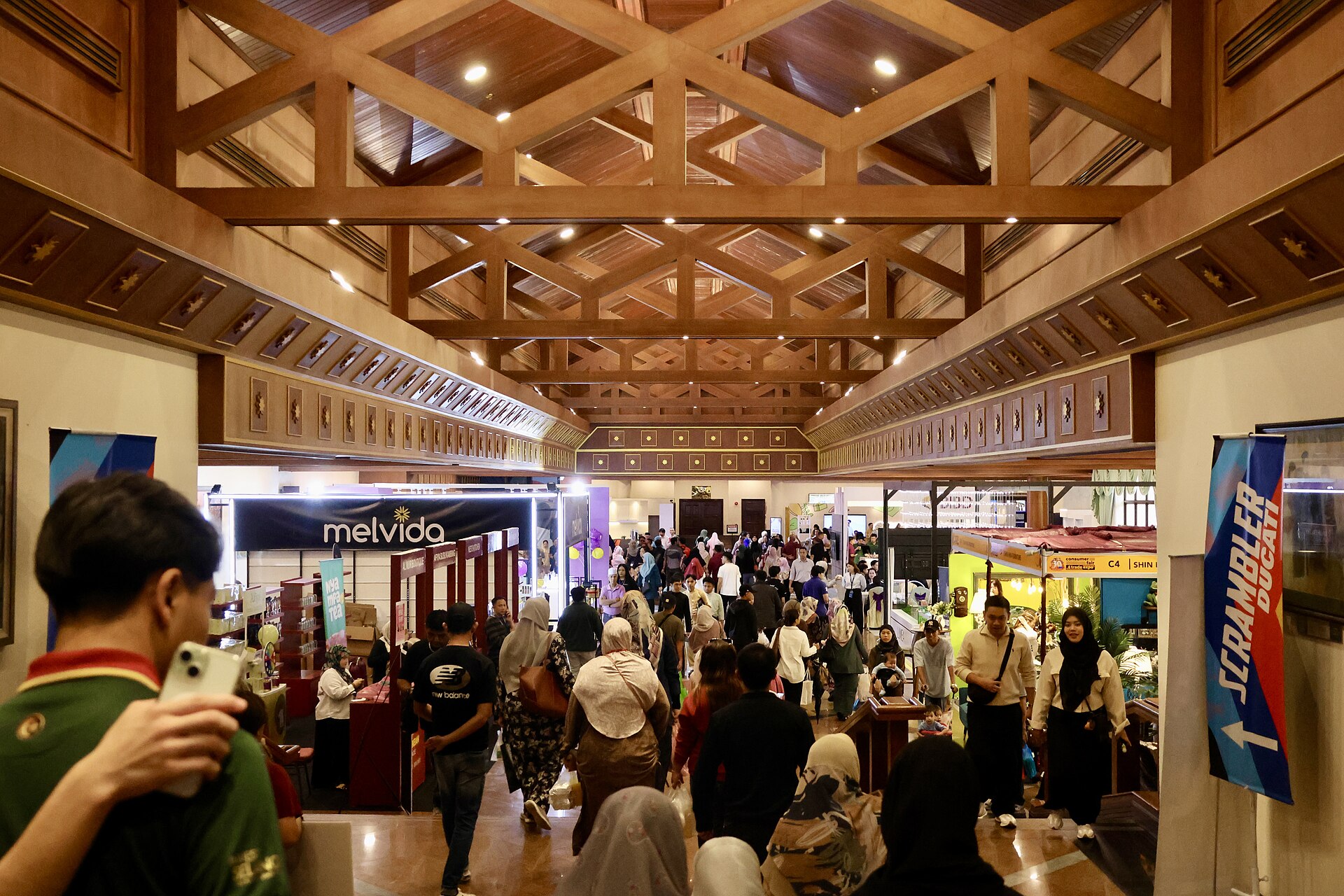
Divya Samaroha Events Centre lists vendor and trade shows among its core services, alongside corporate event management and event planning. The Lavanya hall offers 5,036 square feet when its four sections are fully open and accommodates 250 to 600 guests, giving organisers a large, flexible floor for booths and displays. Smaller rooms such as Amnaya and Anaya can serve as seminar spaces, green rooms or overflow areas, and the venue’s Northeast Calgary location near Calgary International Airport is convenient for exhibitors travelling in from other cities.
Define the Purpose and Audience of Your Show
Every successful vendor show starts with a clear purpose. A bridal show connects couples with photographers, décor companies, caterers and designers. A holiday market gives local makers and small businesses a chance to sell directly to shoppers. An industry expo helps companies showcase products to professional buyers. Knowing your audience shapes everything else: the number of booths, the hours, ticket pricing, marketing channels and the type of extras, such as seminars or live demonstrations, that will attract visitors.
Planning the Floor Layout
The floor plan is the backbone of a trade show. Start with the total floor area and subtract space for entrances, registration, aisles, a food area, a stage or demonstration zone and emergency exits. Booths are commonly arranged in rows with aisles between them, or around the perimeter with island displays in the middle. Wide aisles prevent congestion and make it easier for visitors using strollers or mobility aids. Place popular exhibitors or a feature attraction toward the back of the hall to draw visitors past every booth.
Booth sizes and exhibitor needs
Decide on standard booth sizes and what each includes, such as a table, chairs, signage and power access. Exhibitors with large displays may want corner or double booths. Collect requirements during registration so you can plan power, lighting and placement in advance, and share a clear exhibitor guide with set-up times and rules.
Load-In, Set-Up and Tear-Down
Smooth logistics keep exhibitors happy. Schedule load-in windows so vendors are not all arriving at once, and communicate where to park, unload and enter. Allow enough time for set-up before doors open, especially for exhibitors with complex displays. Plan tear-down just as carefully, with a staggered exit and clear instructions about what must be removed. A venue team experienced with vendor shows can advise on timings and building access.
Food and Refreshments
Trade shows are long days for exhibitors and visitors. Offering food keeps people on-site longer, which benefits vendors. Options range from coffee and snack stations to a full lunch for exhibitors or a café area for visitors. With in-house catering across Indian, Pakistani, Continental, Afghani, Mediterranean, Italian, Nigerian and Ethiopian cuisines, organisers can offer menus that reflect the audience, which is particularly valuable for cultural markets and community expos.
Adding Seminars and Demonstrations
Educational sessions and live demonstrations add value and give visitors more reasons to attend. A bridal show might feature a fashion walk or décor demonstration. An industry expo could host panels or product launches. Use a section of the main hall or a separate room set up theatre or classroom style for talks, and schedule them at intervals so visitors can move between the show floor and sessions.
Marketing Your Vendor Show
Attendance drives exhibitor satisfaction. Begin promoting early through social media, community groups, local event listings, email newsletters and partner organisations. Encourage exhibitors to share the event with their own followers, and consider early-bird tickets or free entry for the first visitors to build momentum. Clear directions, parking information and a simple event page make it easy for people to plan their visit.
Registration, Signage and Visitor Experience
First impressions matter. A clear registration desk, visible signage, printed or digital floor maps and friendly volunteers help visitors find what they are looking for. Seating areas give people a place to rest, eat and talk business. Consider a prize draw or passport programme that encourages visitors to stop at multiple booths, which exhibitors appreciate.
Trade Show Planning Timeline
- Nine to twelve months out: define the show’s purpose and book the venue.
- Seven months out: create the floor plan, booth packages and exhibitor guide.
- Six months out: open exhibitor registration and begin marketing.
- Three months out: confirm seminars, demonstrations and catering.
- Six weeks out: finalise booth assignments and share load-in schedules.
- Two weeks out: confirm signage, staffing and volunteer roles.
- Show day: open registration early, monitor aisles and support exhibitors.
Supporting Exhibitors From Out of Town
Many trade shows attract exhibitors from across Alberta and beyond. Being close to YYC is a real advantage, and rooms at the sister property, Divya Sutra Calgary Hotel, offer group rates for six or more rooms and free breakfast for direct bookings, giving exhibitors a convenient place to stay during multi-day shows.
Measuring Success
After the show, gather feedback from exhibitors and visitors. Track attendance, booth sales, leads generated and survey responses. These insights help you improve the next event, set booth pricing and attract returning exhibitors. A short thank-you message with highlights and photos keeps your community engaged for next year.
Where to Host Your Trade or Vendor Show
Organisers searching for an event venue in Calgary with open floor space, catering and event management support will find a strong partner in Divya Samaroha Events Centre. Its large hall and supporting rooms make it a practical banquet hall in Calgary for markets, expos and community showcases.
To learn more about vendor show hosting and corporate event management, review the venue’s event services.
Frequently Asked Questions
How much floor space is available for a vendor show?
The Lavanya hall offers 5,036 square feet when all four sections are open, suitable for booths, aisles and a feature area.
Can I host seminars alongside a trade show?
Yes. A section of the main hall or a separate room can be set up theatre or classroom style for talks and demonstrations.
Is catering available for exhibitors and visitors?
Yes. In-house catering offers a range of cuisines, from coffee breaks to full meals.
Does the venue help manage corporate events and shows?
Yes. Vendor and trade shows and corporate event management are part of the services offered.
Final Thoughts
A great trade or vendor show depends on smart layout, smooth logistics, strong marketing and a comfortable visitor experience. Plan your floor carefully, support exhibitors at every step and give visitors reasons to stay. With flexible space and full support services, Divya Samaroha Events Centre helps organisers run successful vendor shows in Calgary.